Who He Is
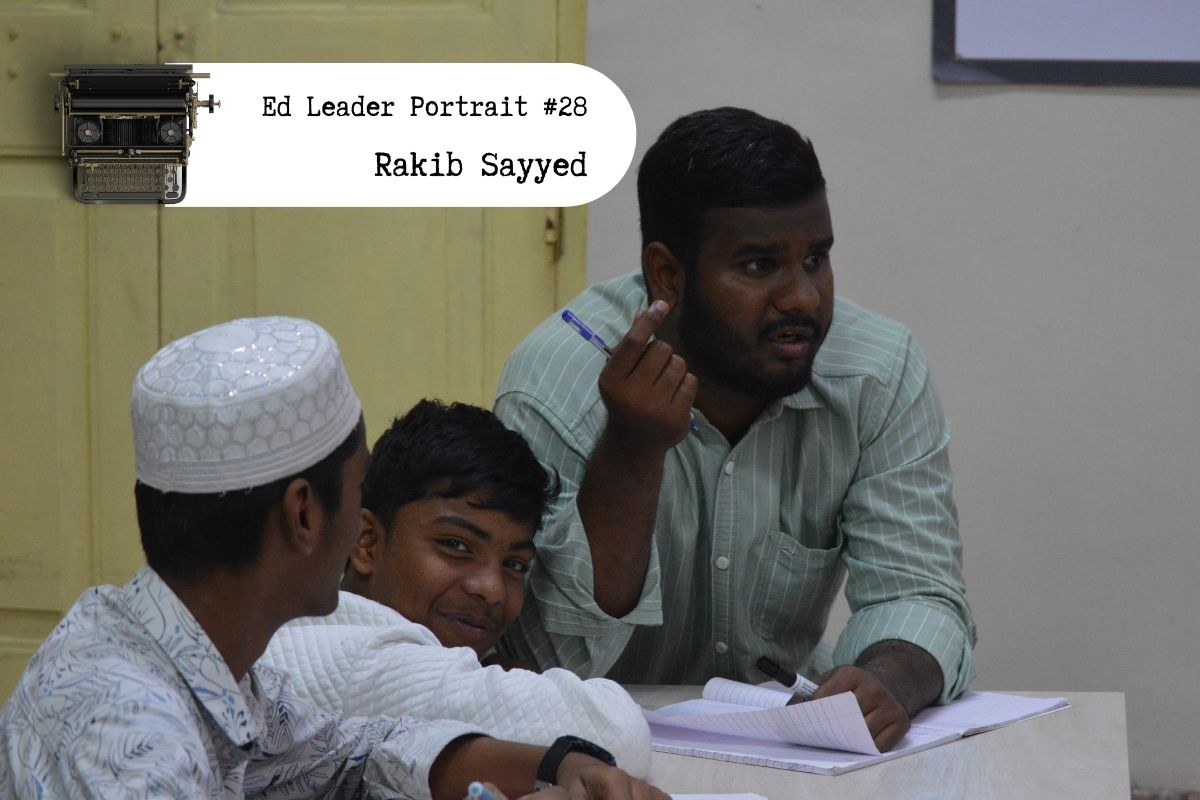
Rakib Sayyed’s family moved to Pune, when he was a year old. Coming from an underprivileged family, his means were limited, but not his ambitions. Rakib studied in ABVS Akanksha School, a Public Private Partnership model school where civil society and government institutions collaborate to provide quality education.
When Rakib was in Grade 10, one of his teachers, a Teach For India fellow, Mitalee Dalal, introduced the Baha’i Faith to the students. Mitalee began by exposing them to values such as love, kindness, truthfulness, unity, and oneness. The intention was to help students understand how to serve others and become better human beings.
Since then, Rakib has graduated, and Mitalee has moved on from her role. However, the conversations have continued. Over the past seven years, Rakib has been part of a small group of students who meet with Mitalee every week to explore spirituality and community service. These conversations laid the foundation of what Rakib does today.
A year and a half ago, he quit his IT job and joined The Panaah Communities, a non-profit organization with a vision to reimagine how children from underserved communities spend their time after school. Its mission is to equip children and youth from high-need communities with the skills, competencies, and mindsets needed to thrive in the future economy.
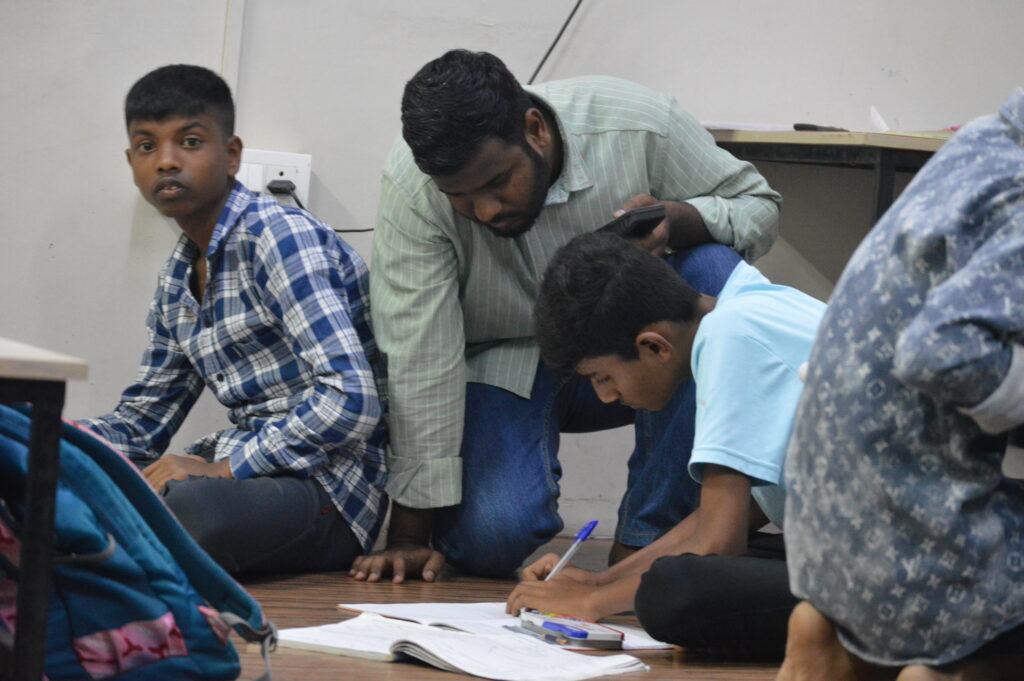
Rakib currently leads the PathMakers Programme which aims to reintegrate school dropouts into mainstream education. He manages the programme development and execution, and also teaches Mathematics and Computers.
The weekly discussions with Mitalee helped Rakib discover his purpose: to give back to his community. He believes that one of the best ways to do this is through quality education – by creating supportive environments where every child can thrive. His values aligned deeply with Panaah’s mission, and he dreams of one day building a chain of schools serving underprivileged communities.
The Problem He Saw
Many students from low-income backgrounds drop out of school for a range of complex reasons. They often struggle to meet the demands of the formal education system — learning in English-medium schools, keeping pace with rigid syllabi, completing written assignments and homework without adequate support at home, memorising content-heavy lessons or affording school materials and private tuition.
They also find it difficult to adapt to exam- and marks-focused teaching methods that fail to account for their diverse learning levels.
At Panaah, Rakib realised that students were behind their grade levels and needed to strengthen foundational skills before engaging with the grade-level curriculum. This foundation was critical to ensure that every student began the academic year with confidence, skills and readiness for continued success. Without it, many had already fallen behind and dropped out, reducing their chances of future social and economic mobility.
The Micro-Improvement Journey
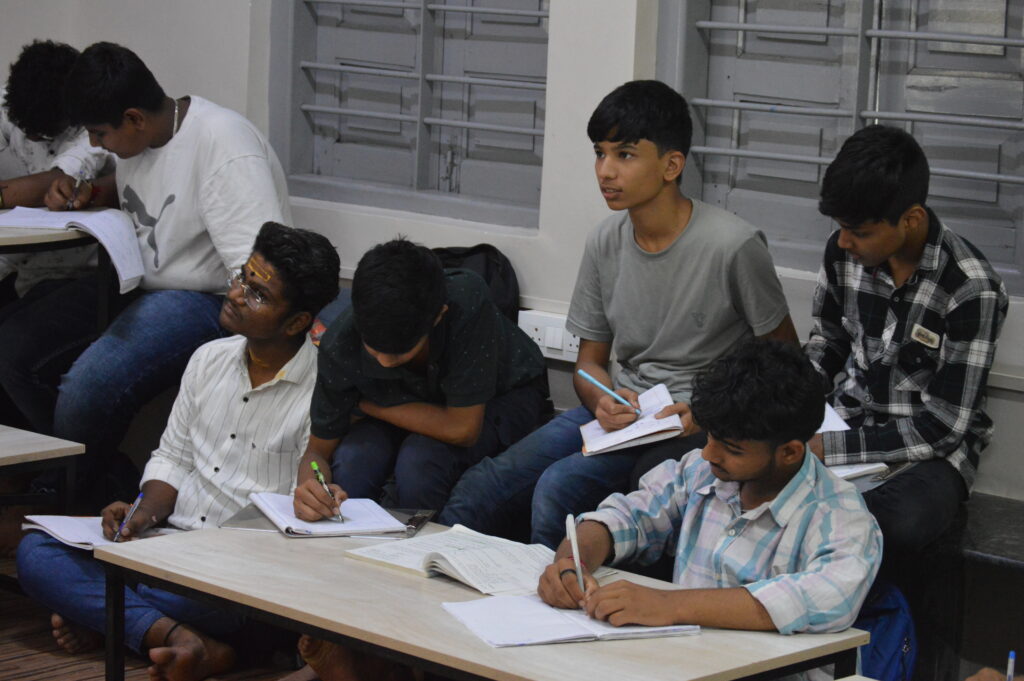
To strengthen core competencies in language, numeracy, and comprehension, Rakib designed a two month crash course.
- Baseline assessment: A simple diagnostic test was conducted to understand each student’s literacy and numeracy levels.
- Student groups: Students were divided into three broad learning groups based on assessment results with flexibility to move between groups as levels improved.
- Curriculum design: Learning modules, materials, activity based learning methods, appropriate textbooks, and peer learning strategies were curated and adapted to each student’s needs.
- Lessons: Students attended five to six hours of sessions every day which combined group instruction, peer tutoring, and self-paced activities, along with progress tracking through mini-assessments and tests.
- Life Skills development: Curiosity, collaboration, confidence was also built in students through activities, games and reflection exercises.
- Monitoring and feedback: Teachers tracked each student’s progress. Weekly reviews allowed for adjustments in the learning pace or regrouping as required.
- Endline assessment and transition: Based on the final assessment, students transitioned to appropriate learning programs under Panaah. Results guided the instructional planning for the regular academic year.
Why He Went Beyond
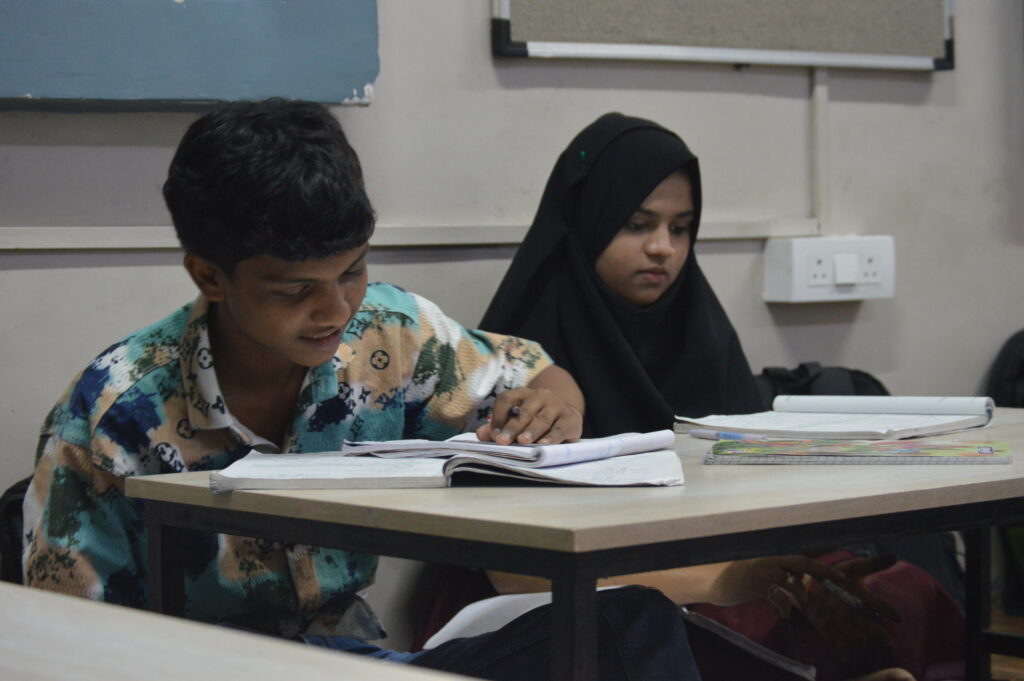
Six of Rakib’s former students – Faizan, Prachi, Sumaiya, Rehaan, Alfiya & Abuzar – now work with him at Panaah across various student-support functions. Seeing them excel gives him hope for more students. He believes that if we continue to build a system that enables them to do their best, they will also end up doing great. But without that support, they will be lost.
Impact His Work Is Creating
- Previous Year: The program benefited over 75 students, of whom 74 successfully cleared their Grade 10 examinations and enrolled in junior colleges. Six of them are now working at Panaah. The 75th student is set to reappear this year.
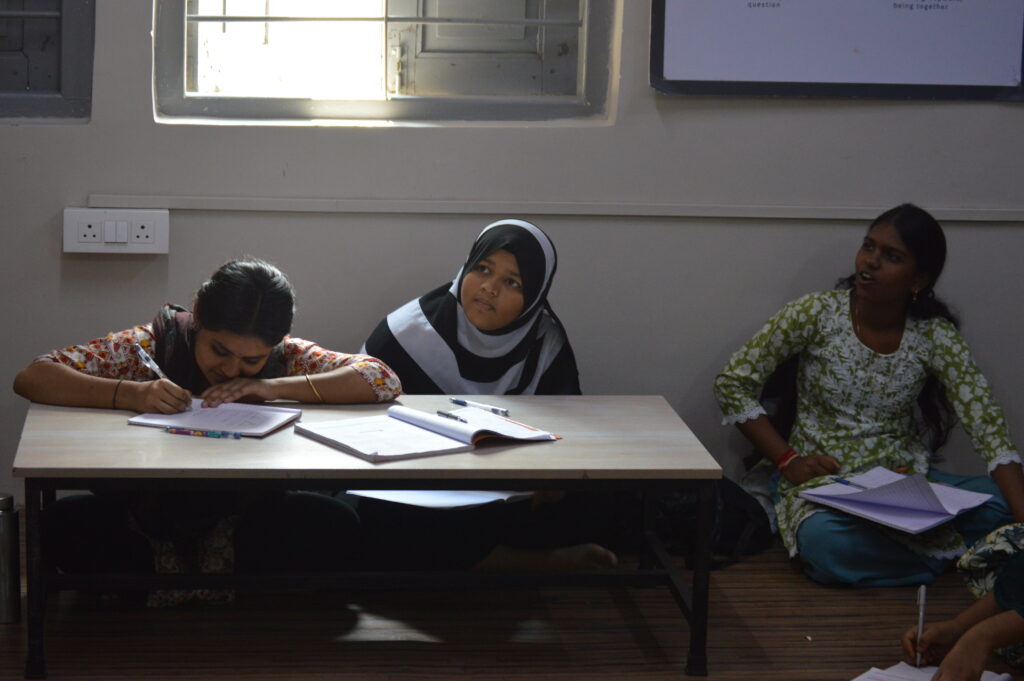
- Current Year: 76 students were enrolled in the program and are confidently preparing for their board examinations scheduled in March 2026.
His Words
“The education system still does not accommodate everyone. If students are unable to fit, they are eliminated, without an effort to design the system that caters to their needs. We have the right to education enshrined, but quality education does not exist yet. Every student deserves a second chance and we need to carry the extra load for them.”
This story is part of ‘Small Steps to Build Great Schools’ Vol II– a Coffee-table Book celebrating the leaders who go beyond their roles to make education inclusive, joyful, and rooted in belonging, for children in India.
🔗 Read more such stories of transformation here: https://heyzine.com/flip-book/d4afa18256.html


 Link copied to clipboard!