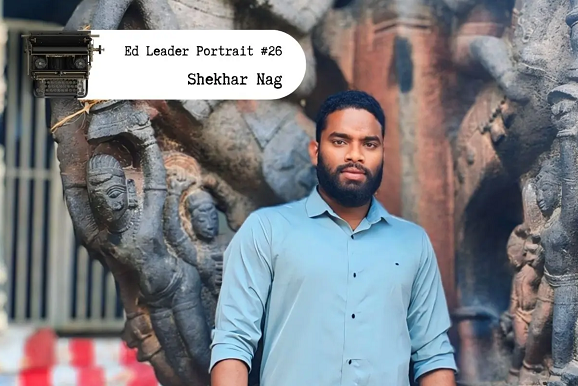
Who He Is
In the remote forests of Chintalnar in Konta block, Sukma, Chhattisgarh, red-earth roads stretch between scattered tribal hamlets. Here, Shekhar Nag grew up with a life shaped by distance and determination. He comes from a family of six, his parents, two brothers, one sister and himself. His village had no school when he was a child. “There was no teacher, no school building,” he says. “If I wanted to study, I had to leave home.”
And he did. As a young boy, he walked away from home to live and study in an ashram school (residential government schools in Bastar, for children from remote villages), beginning a journey that would later define his purpose.
He grew up and learnt alongside other children who had also left their homes. Through his teachers’ support and being away from his family at such a young age, he built discipline, self-reliance and resilience early in life. His family did not have much, but they supported his decision to study. The school met his basic needs, and his elder brother guided him, motivating him to continue even when it felt difficult. Later, he graduated from Jagdalpur, determined to keep going despite limited resources. “Knowing yourself is the hardest journey,” he says. “But education helped me understand who I am and what I value.”
His biggest inspiration has been his elder brother, who taught him the meaning of discipline and hard work. “He believed I could do something meaningful. That belief became my strength,” Shekhar shares.
Shekhar did not plan to work in education. That changed when his brother told him about
Shiksharth, an organisation working to create positive childhood experiences for children growing up in conflict areas like Bastar, Chhattisgarh — a region deeply impacted by violence for over four decades. He learned about the organisation’s work and wanted to help strengthen his community. “I wanted to work for children in my own area. I didn’t want any child to go through what I did, leaving home to study,” he says.
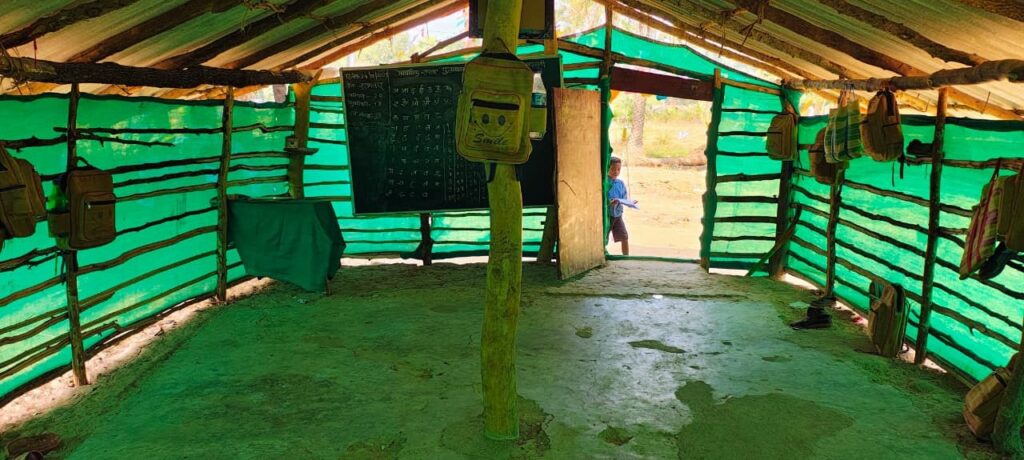
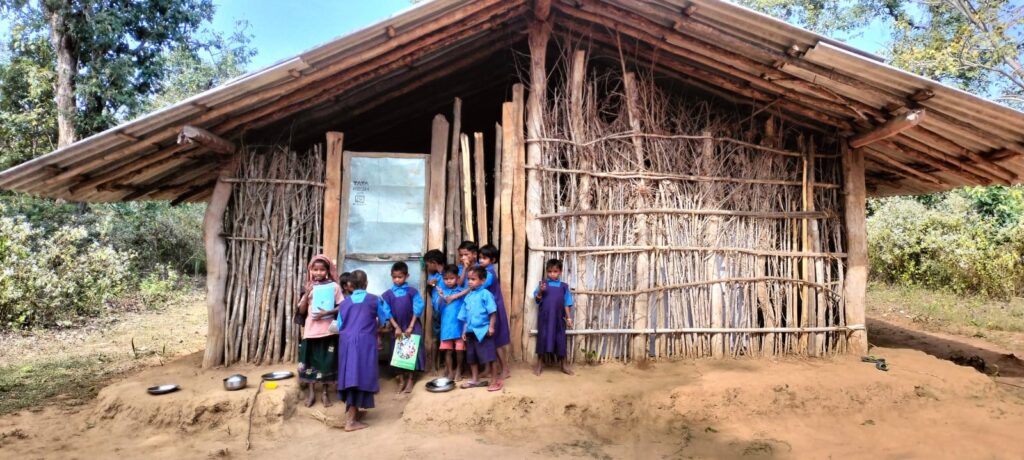
Today, Shekhar works as a community educator, supporting student learning in reopened schools in Konta. These schools had been silent for years. Conflict, long distances between villages, and the lack of teachers had led to prolonged school closures. Classrooms remained locked and unused. Children stayed at home, and many migrated elsewhere.
Shekhar is now one of the trusted local anchors. He is a bridge: between school and community, between language and understanding, between fear and possibility. Rooted deeply in his Gondi upbringing, Shekhar carries a worldview shaped by nature and community. “In our life, the forest, river and land are like family. We respect nature because it supports us,” he says. This connection influences how he sees education — not just as books and lessons but as life understood through experience, culture and dignity. Outside of studies, Shekhar loves playing cricket and spending time with friends. These simple joys help him stay grounded and hopeful.
His dream is simple and honest: “I want to build my own house one day through my hard work. And I want every child in my village to study without fear.”
The Problem He Saw
When schools in Sukma began reopening after years of closure, teachers and Shikshadoots like him would go from house to house, telling parents that children could now study safely in their own villages again.
But Shekhar saw a challenge that many overlooked. Reopening a school was not enough. Children had forgotten learning routines. Many were shy or afraid to speak. Some had never experienced joyful learning at all. Parents had lost trust in the system. Teachers were trying, but support was limited. Schools reopened on paper, but learning did not return automatically.
The Micro-Improvement Journey
Shekhar decided to work on the harder part — rebuilding learning and trust inside reopened schools. He did not bring big programmes. He brought consistency. He brought trust. He brought presence.
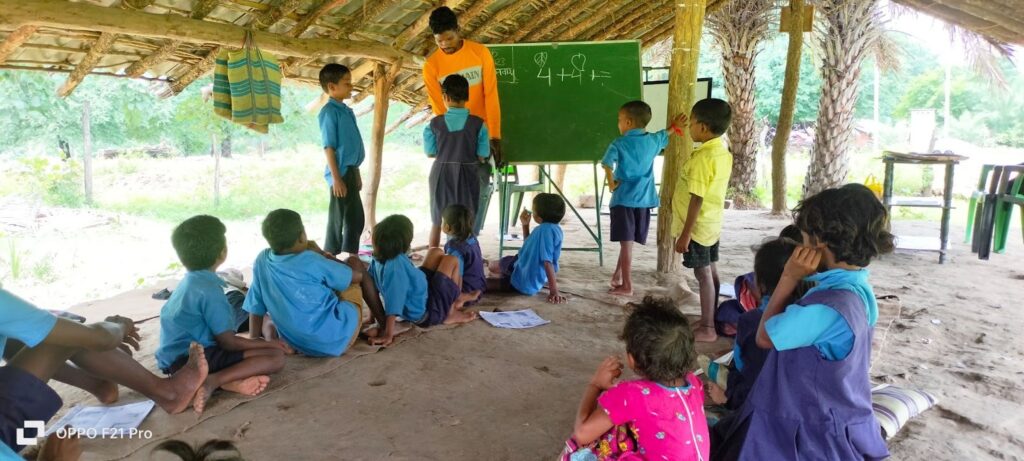
- Created safe and welcoming classrooms: Children were welcomed warmly on the first day with tilak (forehead mark adorned to welcome guests), classrooms were repainted, and learning restarted through play, songs and stories so that children felt safe to return.
- Built comfort through mother tongue: Learning was introduced in Gondi and Halbi, using folk stories and songs so that children could understand easily and speak freely.
- Made learning interactive: Local materials like seeds, stones, wood, leaves and bamboo were used to teach numbers, to build small models-making learning simple and connected to children’s own world.
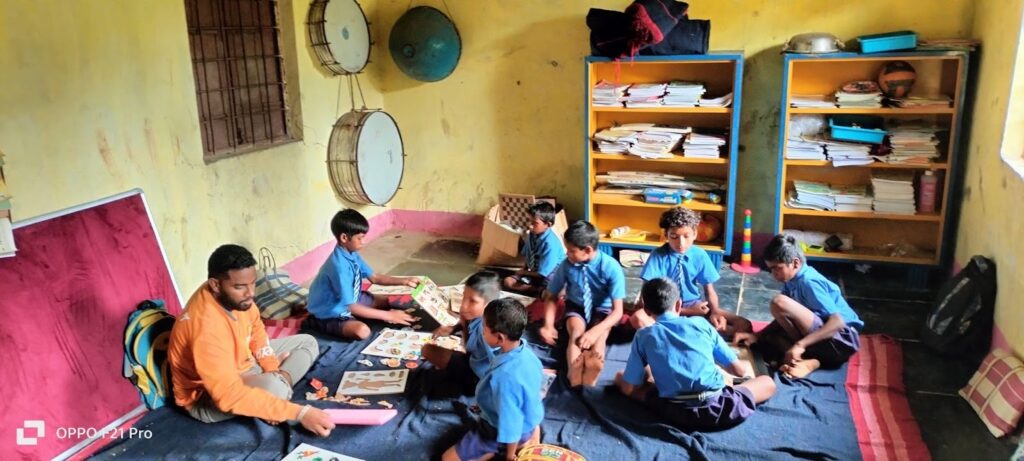
- Organised joyful learning experiences: Learning camps, sports days and cultural activities were organised to reinforce learning and help students reconnect with school. These involved group games, songs, read-aloud sessions, and simple activities using local materials, helping children slowly rebuild learning habits and confidence after years of disruption.
- Ensured Continuous Learning: Daily classroom routines began with a short greeting circle, followed by a story or song in Gondi, small group activities using local materials, and simple written practice. This rhythm helped children feel safe, settle in, and learn consistently every day.
His approach was simple – show up, stay consistent, and build trust slowly. “Every small step helps because change takes time,” he says.
Role of Civil Society & Support Systems
Shekhar says he learned by being part of a supportive team. Through Shiksharth, he gained exposure to classroom management and teaching strategies, child safety practices, and reflective learning. “I got guidance whenever I faced a problem. The team helped me grow,” he says. His journey is not individual, it is collaborative, shaped by learning together with other educators, teachers and community members.
Why He Went Beyond
This work is personal for Shekhar. He knows what it means to study against odds. He understands why a child may lose hope. And he also knows that hope can return. “Education changed my life. If I can help even one child to stay connected to learning, that is enough for me,” he says. One of his proudest moments was going to Delhi for a team step-back to speak about his work (it is an internal reflection space where our team meets once or twice a year to reflect on our achievements, align our purpose and strengthen our work). “People listened to the voice of Sukma with respect. That gave me courage,” he remembers.
Impact His Work Is Creating
In fragile regions, impact is not always measured in numbers. It is measured in trust, continuity and quiet change. Today, Shekhar supports 25 schools reaching around 900 children.
Children who once hesitated now speak and participate in class. Attendance improved as classrooms became joyful. Parents began trusting schools again. Teachers found support and partnership. Reopened schools continue to stay active and functional. Slowly, a culture of learning has begun to return.
His Words
“Education should respect local language, culture and life. Here, children learn from forests, rivers, festivals and stories. Books are important, but learning from life is equally important. If children feel safe and valued, they will learn. My wish is simple: that children here get the chance to study with dignity. That is all.”
This story is part of ‘Small Steps to Build Great Schools’ Vol II- a Coffee-table Book celebrating the leaders who go beyond their roles to make education inclusive, joyful, and rooted in belonging, for children in India.
🔗 Read more such stories of transformation here: https://heyzine.com/flip-book/9ab883d082.html


 Link copied to clipboard!