The Hidden Crisis in Indian Education
India’s 1.5 lakh schools are sitting on a goldmine of solutions, but they’re locked away, invisible to those who need them most.
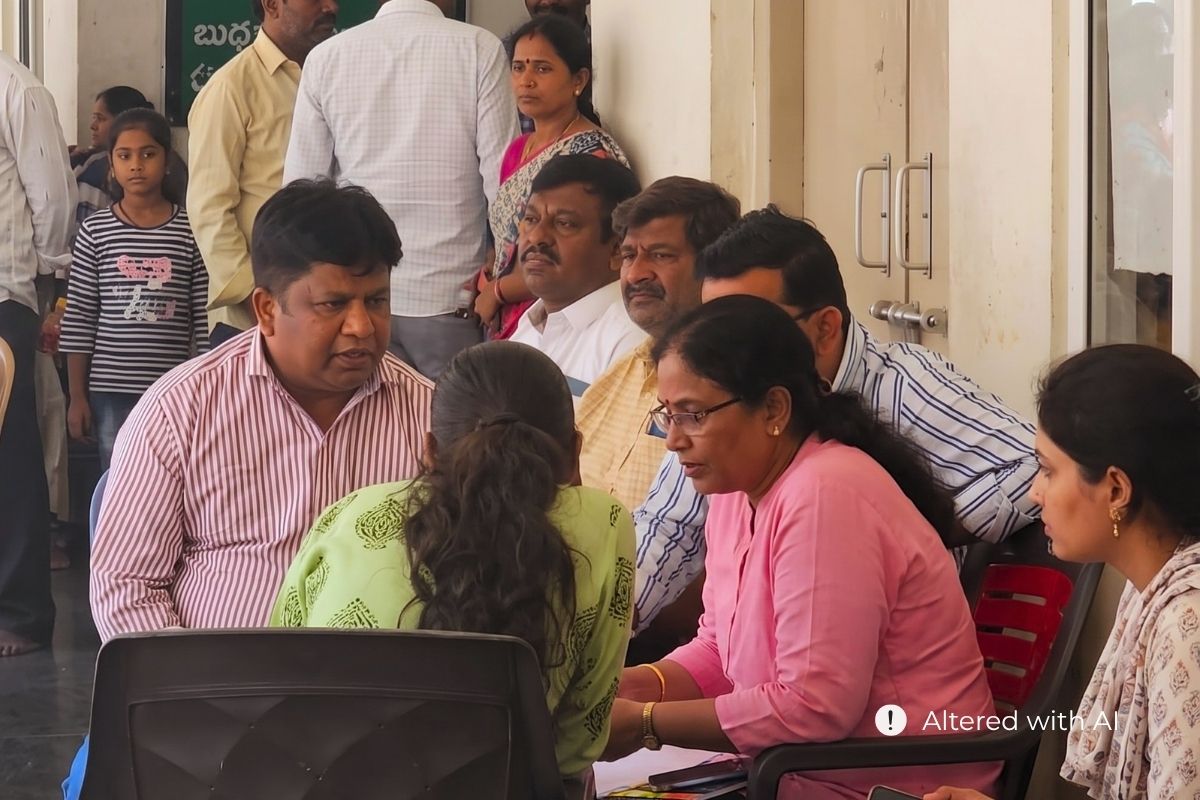
Picture this: In the Sheohar district of Bihar, a girl who was earlier set to be married is now learning Maths and Science because of Shiksha Chaupal’s intervention. In Haryana, door-to-door campaigns under the ‘Aao School Chalein’ initiative led by teachers and community members successfully re-enrolled students who had dropped out. Similarly, across the country, teachers are quietly implementing brilliant solutions from simple yet clever seating arrangements, creative ways to explain difficult concepts to innovative attendance strategies.
But here’s the sad reality: these breakthroughs remain invisible or concentrated where they were born.
Doesn’t it feel like having treasure scattered across the country, but no map to find it?
Why Ground Stories Are Non-Negotiable
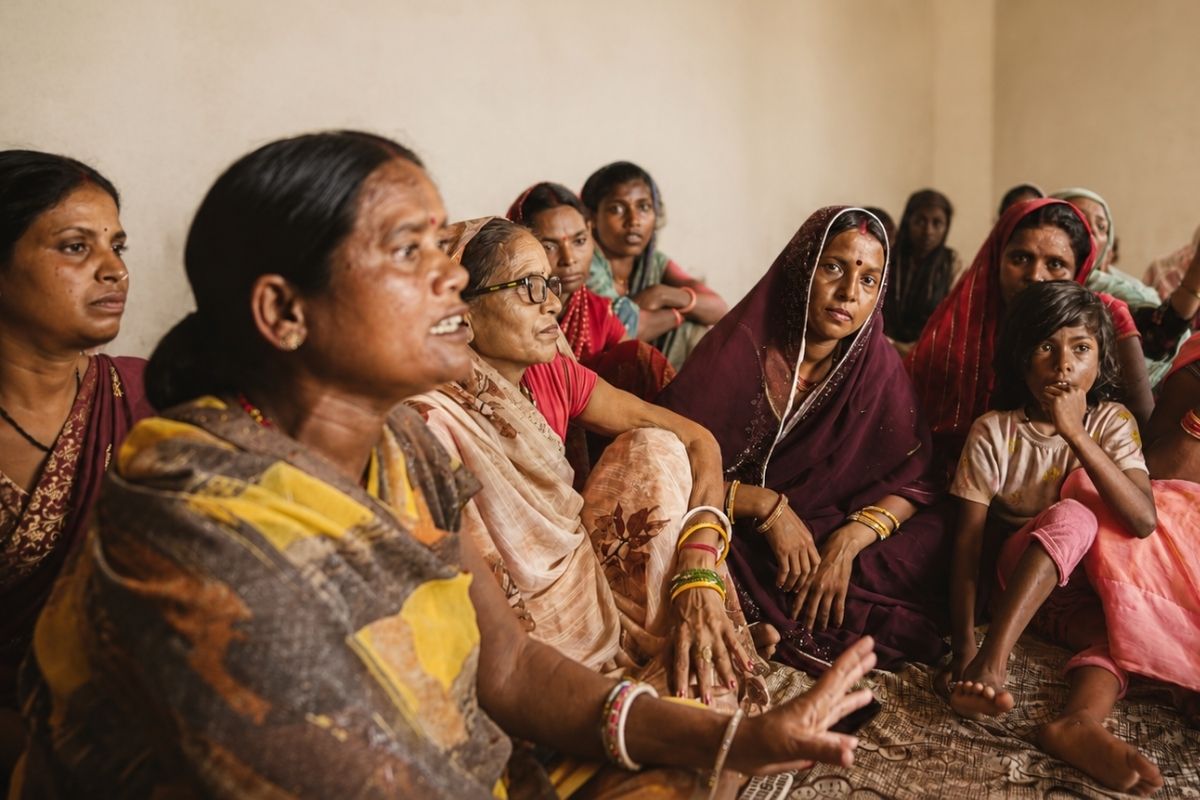
When we discuss improving education in India, experts, policymakers, the government and large-scale organisations find an easy seat. They are important. However, the discussion is still incomplete without teachers, school leaders and the community who have insights that no data or policy paper can otherwise capture.
Without these voices, aren’t we taking decisions based on incomplete information?
The Barriers Keeping These Stories Silent
If these stories are so valuable, why don’t we hear them often? Our research and field visits made us realise that the obstacles are both practical and psychological:
Meeting the Moment With A Listening Tool
Reflecting on these conversations, we realised what was needed: a solution to record these stories that feels like talking to a friend, not filling out a never-ending questionnaire.
These voices remind us that the smallest actions often hold the biggest lessons, and with MItra, we finally have a way to listen, document, and share them at scale.
What’s Next
In the next part of this series, we take you behind the scenes into the journey of building MItra and how it was shaped to listen like a friend and capture stories that truly matter.
This blog is co-authored by Ayush Tank, Munna Devanand Goupale, Niveditha Mohan, Prateek Agarwal, Syed Hyder Ali, Vinaya Ashok Kurtkoti, and Yogita Tambulkar


 Link copied to clipboard!