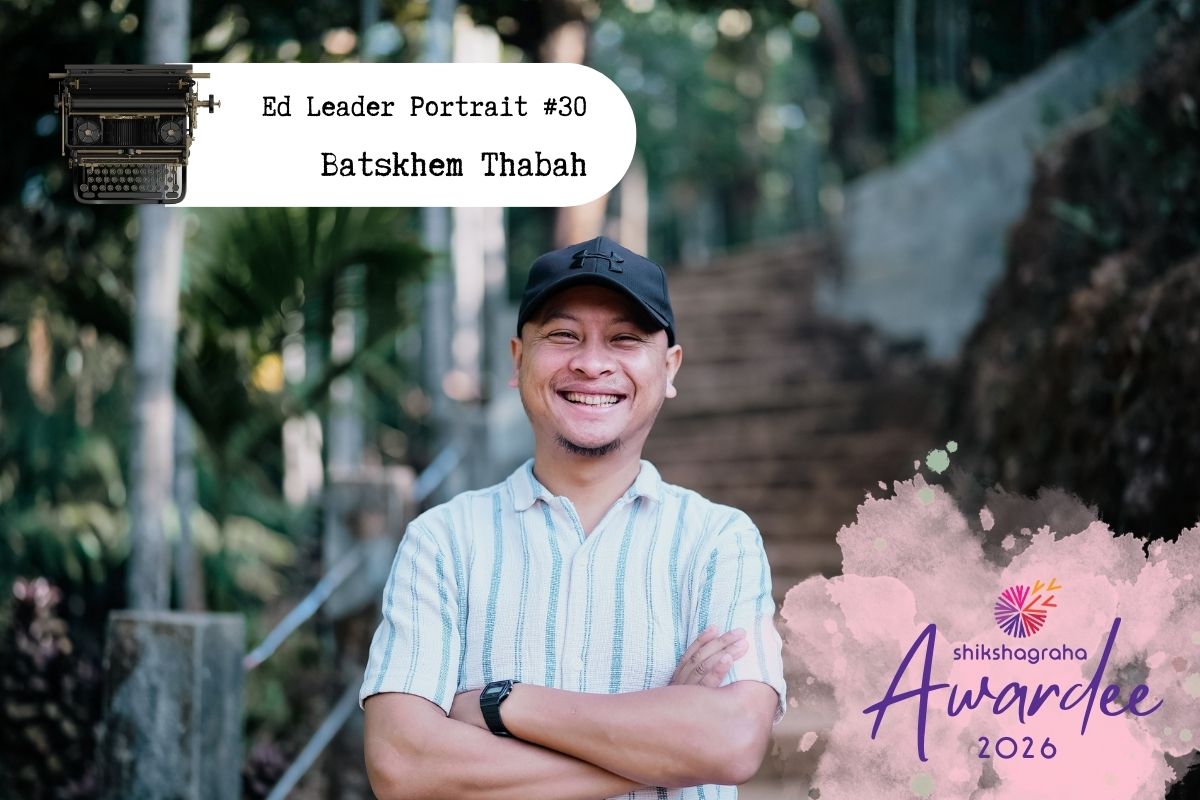
In Raibah village, education doesn’t stop at the school gate—it spills into the forests, flows through coffee plantations, and hums in beehives. At the heart of this transformation is the Raibah Living Library, an innovation that has redefined what learning can be. When Batskhem arrived at Raibah Government Lower Primary School in 2021, he found a building on the verge of collapse: a leaking roof, cracked walls, broken windows, and barely any students.
After two years of COVID closures, children had lost connection with school, parents had disengaged, and the community saw no reason to invest in an institution that seemed to be dying. Batskhem could have requested a transfer. Instead, he stayed and reimagined everything.
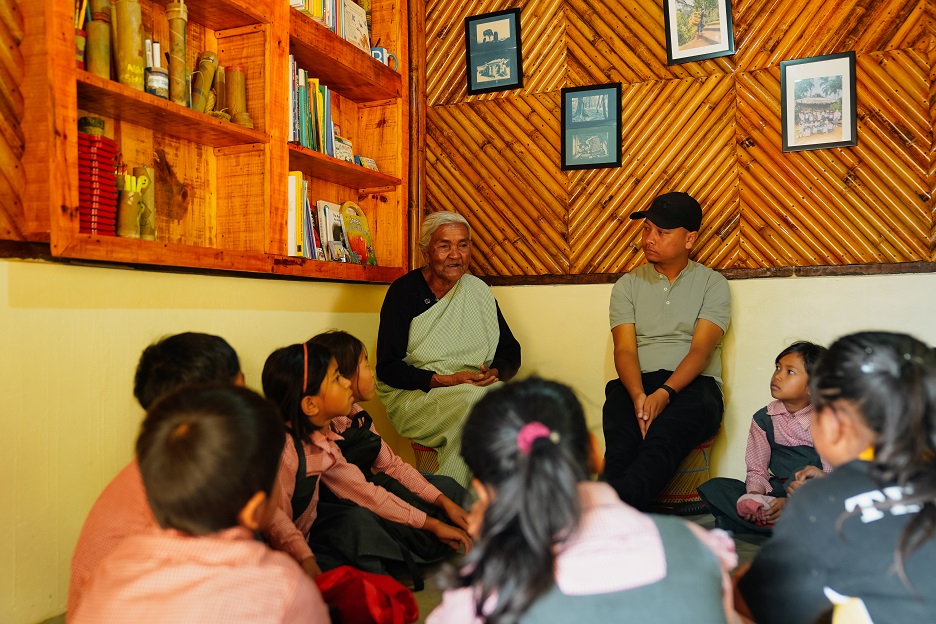
He enlisted students’ support to clean the compound and plant flowers, crafted teaching aids from bamboo and areca leaves, and launched a crowdfunding campaign that rallied the entire village to repair the roof and build bamboo fencing. But his most profound innovation was the Living Library—a space where children don’t just read books but learn from village elders about indigenous plants, conservation practices, beekeeping, and sustainable livelihoods. Here, a grandmother teaches traditional weaving while a child reads aloud. A farmer demonstrates coffee cultivation while students document the process. Education becomes a bridge between generations, a celebration of local wisdom, and a pathway to economic dignity. In Batskhem’s hands, the village itself becomes the most powerful classroom.
Why His Micro-Improvements Matter
Schools at the Edge of Survival:
- Rural schools in Meghalaya face severe infrastructure neglect, with many buildings unsafe during the region’s prolonged monsoon seasons.
- Post-pandemic, attendance and enrolment plummeted as communities lost faith in schools that couldn’t provide even basic facilities or engaging learning environments.
- Indigenous knowledge systems and traditional livelihoods are rapidly disappearing as younger generations disconnect from cultural practices and environmental stewardship.
- Rural teachers often struggle with multi-grade classrooms, limited resources, and minimal community support, leading to high student transfer requests and low retention.
- Economic vulnerability in remote villages limits educational aspirations, with families seeing little connection between schooling and sustainable livelihoods.
What He Observed:
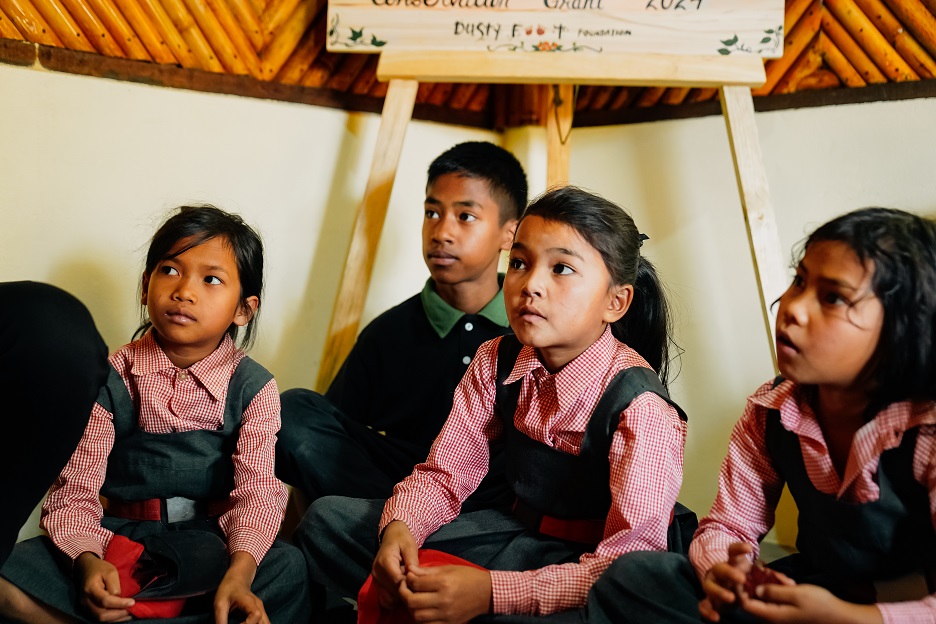
A school that had become physically dangerous and socially irrelevant. Children showed low motivation and poor attendance. There were no textbooks, teaching aids, or creative outlets. Talented and artistic students had nowhere to express themselves. The school–community relationship was broken, with parents viewing education as disconnected from their lives and livelihoods. Indigenous knowledge—about medicinal plants, traditional farming, conservation—was vanishing as elders aged and youth migrated. The school wasn’t just underperforming; it had become an inactive, forgotten space.
Micro-improvements Initiated by Him
- Mobilised community to convert unused Anganwadi building into functional classroom space.
- Introduced team games, music, drama, and interactive literacy activities to make learning joyful.
- Partnered with “Owl Library” to establish a vibrant reading culture with books and storytelling sessions.
- Implemented multi-grade teaching strategies with support from the Directorate of Educational Research and Training (DERT).
- Collaborated with “Greenhub” to integrate beekeeping and coffee cultivation training for income generation.
- Designed personalised activities for dropouts and students with special needs.
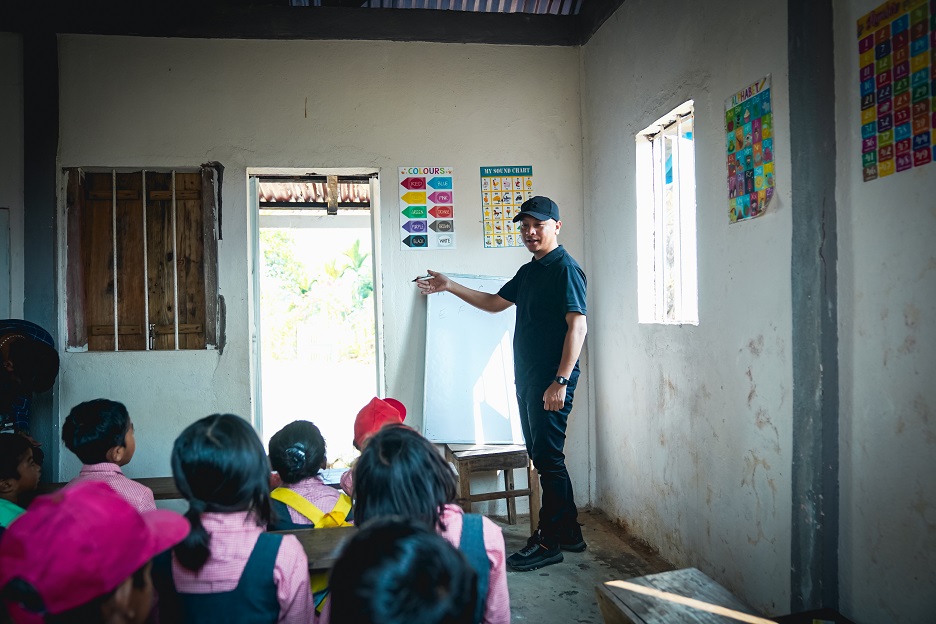
Impact: 5+ years of sustained, transformative work (2021–2025)
- School enrolment: Enrolment tripled as families gained confidence in improved teaching quality and school environment.
- Attendance and participation: Regular attendance and confident classroom participation increased through joyful, child-centred engagement.
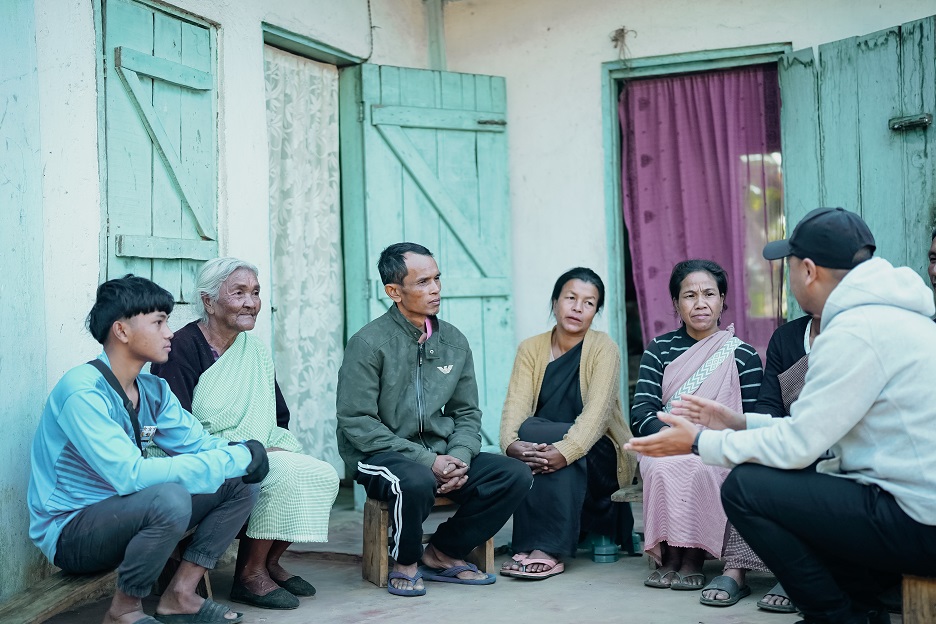
- Community ownership: The entire village became active partners in education—volunteering skills, mentoring children, and celebrating achievements.
- Learning recovery: Dropped-out students reconnected with education through hands-on mentorship and experiential learning.
- Creative confidence: Artistic expression strengthened through painting, storytelling, drama, and music, building voice and self-belief.
- Cultural continuity: Indigenous knowledge preserved through documentation and intergenerational transmission.
- Mindset shift: A visible change in aspirations, with students dreaming bigger and communities taking collective pride in public education.
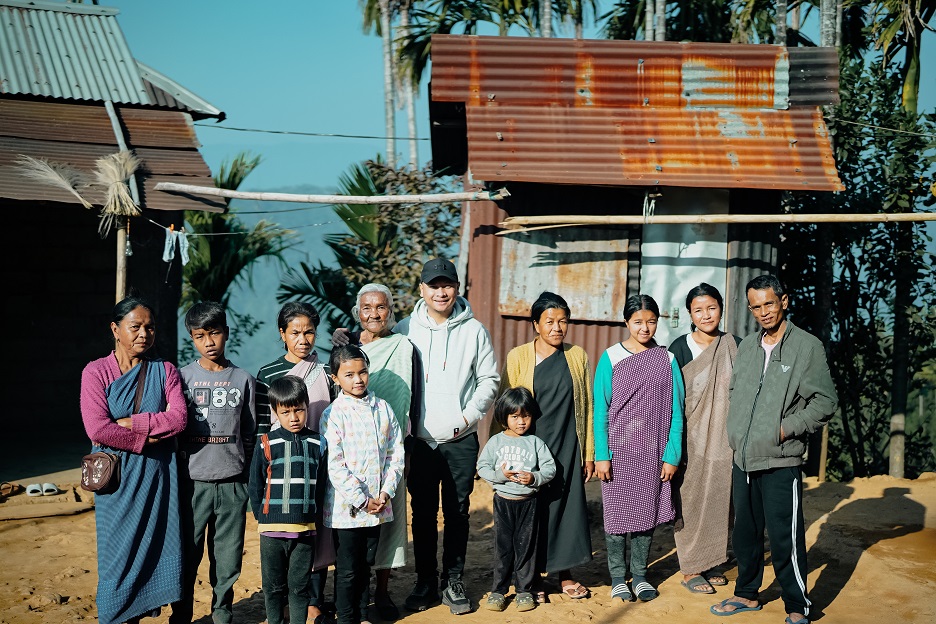
A Voice of Belief
“What makes Batskhem’s work truly extraordinary is how he dissolved the boundary between school and community. The Raibah Living Library isn’t just an educational innovation—it’s a cultural reclamation project. He understood that for education to matter in Raibah, it had to honour what the village already knew, while opening doors to what it could become. By inviting elders to teach alongside [learning from] books, by turning beekeeping into mathematics and coffee cultivation into ecology lessons, he created a model where learning feels like belonging. His deep personal investment—living among the people, visiting homes, celebrating harvests—transformed education from an external imposition into a shared village treasure.” – Yendrembam Binand Singh, Lead Programs, Teachers Education Department, Mantra4Change, CSO Partner.
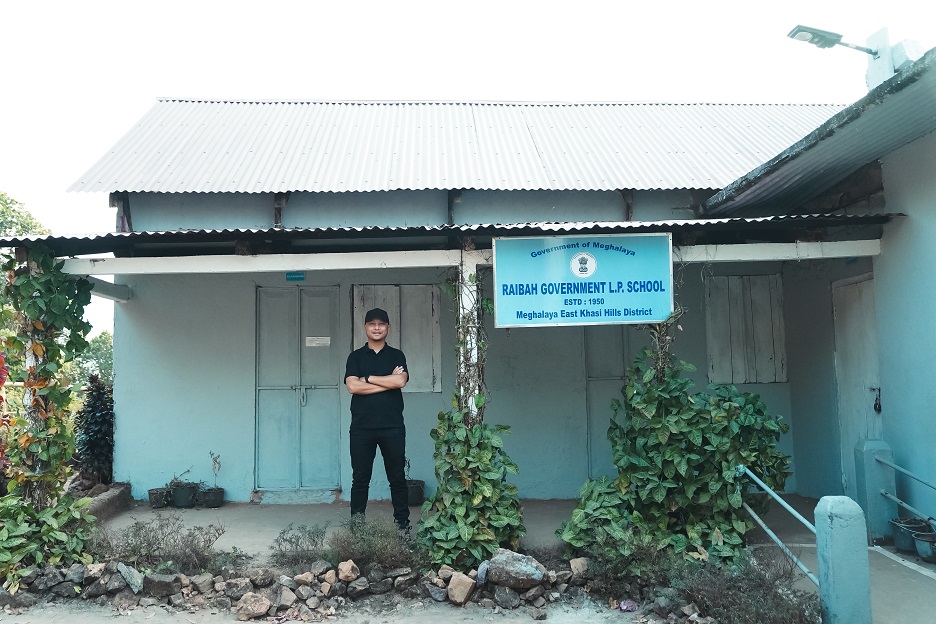
🔴 See the Raibah Living Library come to life. Watch Batskhem’s story on YouTube here: https://www.youtube.com/watch?v=w1GZWX_x-_U
This story is a part of “Small Steps to Build Great Schools – Volume III: Stories from the Shikshagraha Awards 2026” — a coffee table book celebrating the journeys of our awardees and nominees who have transformed schools into living libraries, bridged healthcare and education gaps, and created spaces where students can learn with dignity and hope.
🔗 Read the other stories featured in this coffee table book here: https://heyzine.com/flip-book/0122ff69ba.html#page/1


 Link copied to clipboard!