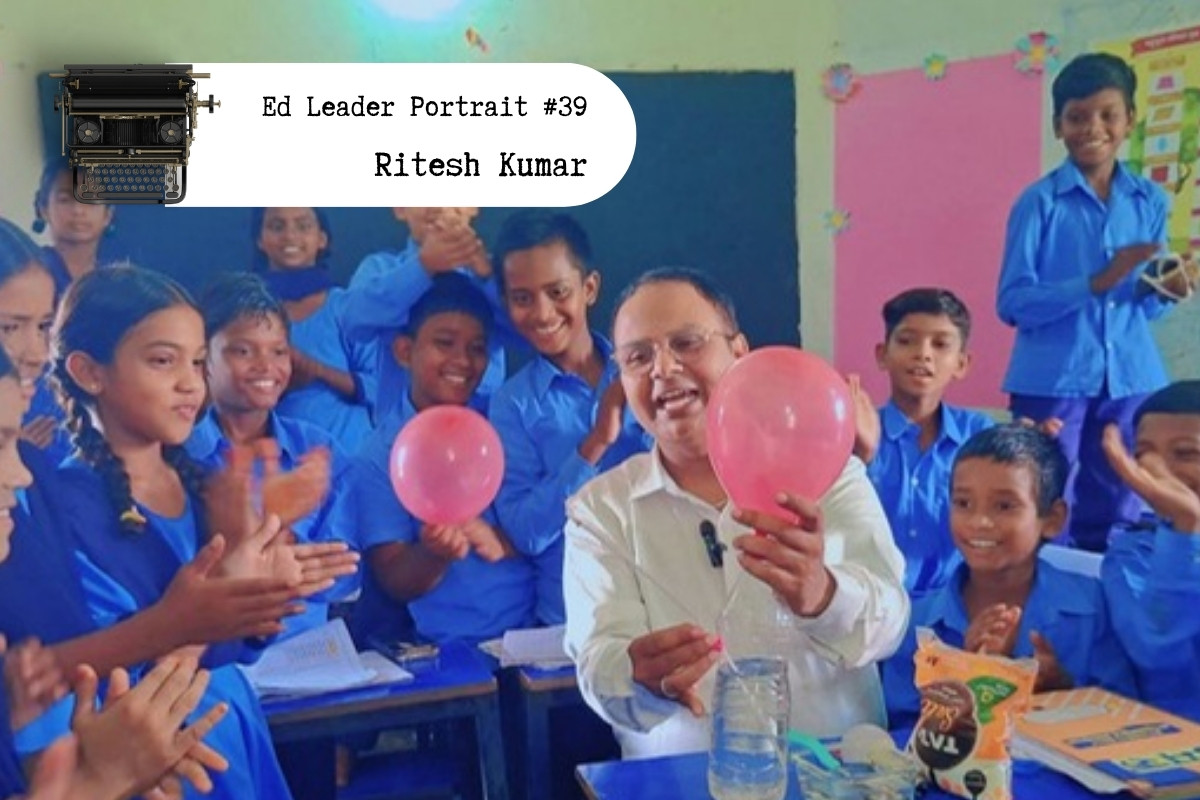
A school in Barauni, and the teacher who made it worth reaching
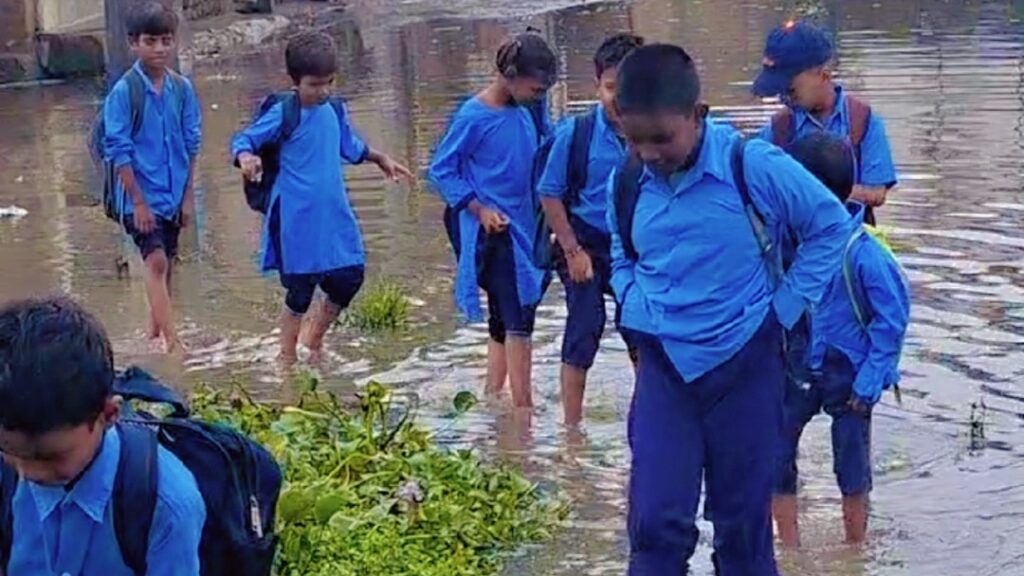
Every monsoon, the government school at Pipra Devas in Barauni is surrounded by water on all sides. Getting there is hard for the children and for the teachers. And still, through those weeks, about 90% of the children come. That number is not about the weather. It is about what the school has become for them, and for their parents, since Ritesh Kumar began teaching there.
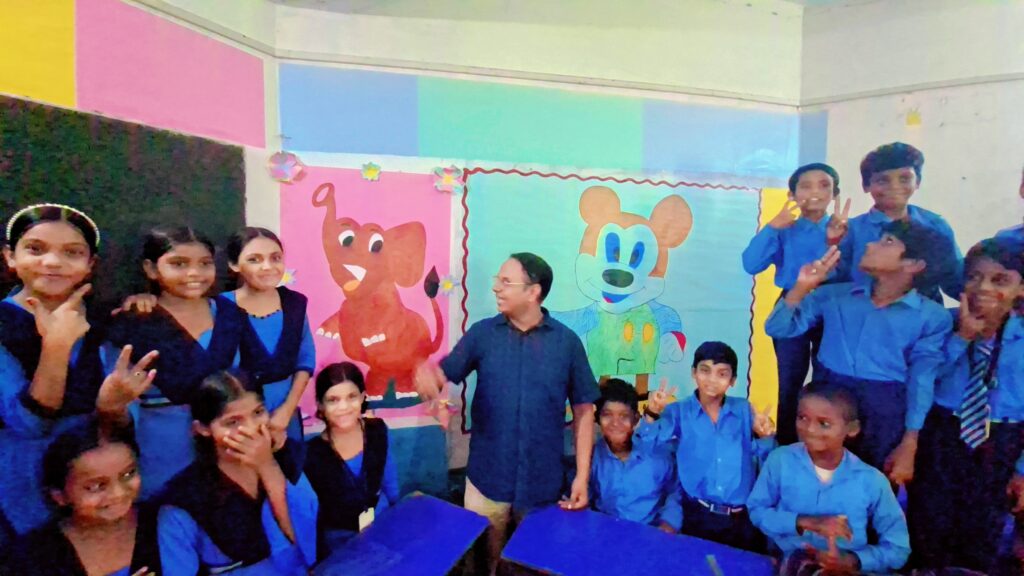
A degree in management, a heart in the classroom
Ritesh’s own education began in a different direction. He studied business, a BBA and then an MBA, and the degrees could have taken him into a corporate career. But after his Class 10, when money at home was tight, he had started teaching children to keep his own studies going. Somewhere in those years, teaching stopped being only a way to pay for school. Helping a child understand something new, and watching that child move forward, gave him a satisfaction nothing else did.
Even with an MBA in hand, he could not leave it. He went back and completed a B.Ed., taught at B.R. DAV Public School in Begusarai, and then joined Government Primary School Pipra Devas Urdu in February 2022.
A school that was easy to give up on
What he found there could have discouraged anyone. Children did not come regularly. Hardly any came in proper uniform; by his count, only about 5% did. There were not enough benches and desks, and little else that a classroom needs.
Ritesh began with the children. Before anything else, he wanted them to see the school as a place they would be glad to come to, where they could learn and show what they were good at, not only a place where lessons happened.
Learning that children could see and touch
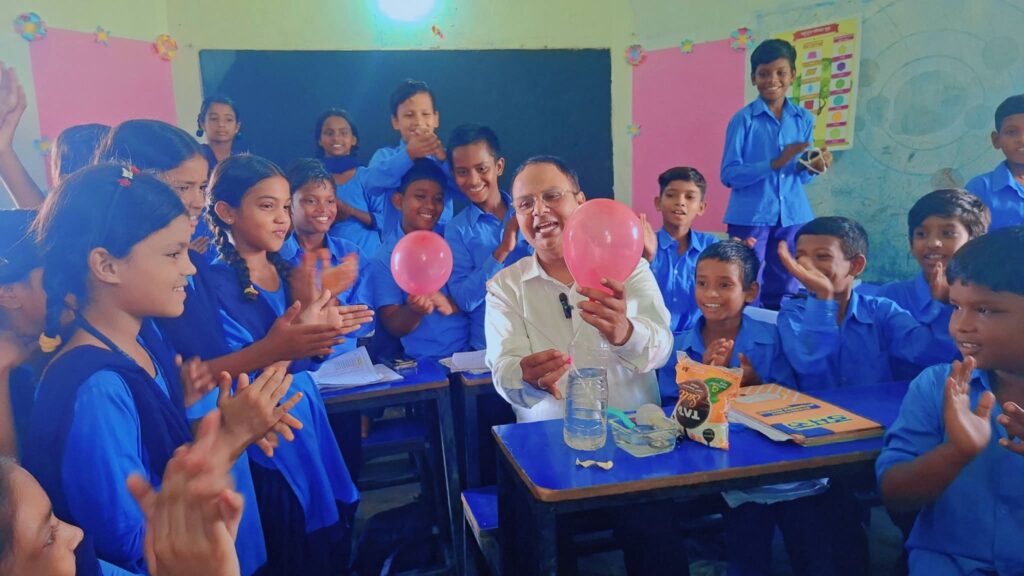
So he changed how lessons worked. He moved to activity-based learning, built teaching-learning material for each chapter, and brought in experiments, projects, videos and digital tools. His belief is simple: when children see a thing, try it and make it themselves, rather than only read about it, the learning stays.
Where the school lacked furniture and materials, he bought tables and other essentials from his own salary, so that what was missing would not stand between the children and their lessons. He began sharing the children’s work online, and the children noticed. Seeing their work seen and praised made them surer of themselves.
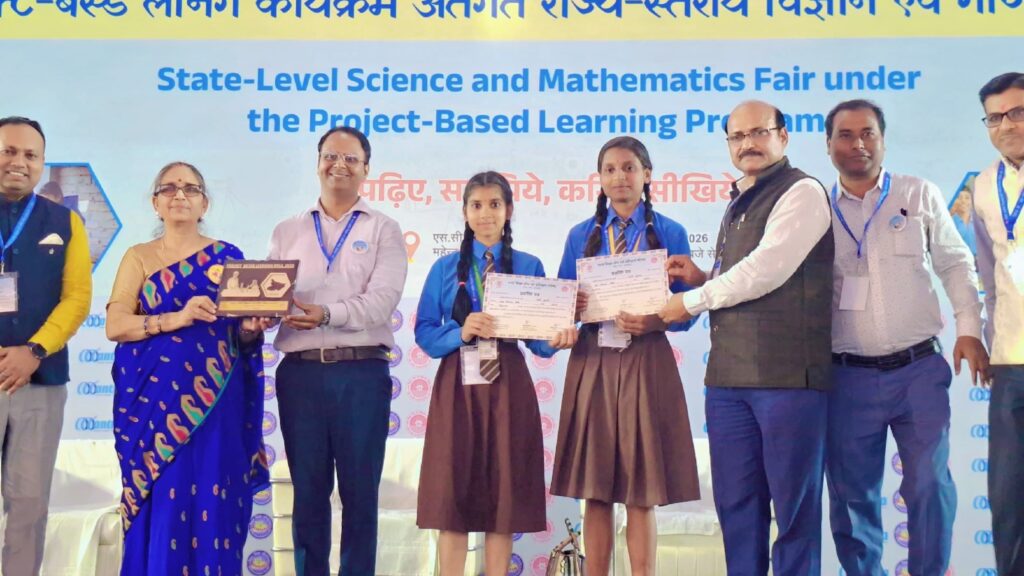
Through project-based learning, his students won at the state-level Science and Mathematics Fair with a project he built around the Class 8 chapter on light, a moment of pride for the children and a new identity for a school few people had heard of.
His teaching does not stop at the school gate. He is now a Block Level Resource Person, taking his ways of teaching and his teaching-learning material to other teachers in the block. He has also worked as a master trainer, and runs free online classes for children who cannot afford tuition, so that a family’s circumstances do not decide what a child gets to learn. Outside the classroom, he paints and makes art and craft, and he is at home with computers.
He is also the district coordinator for environmental work in Begusarai, where he has led Ek Ped Maa Ke Naam, Ek Vidyalaya Ek Ghosla and seed-ball drives, and is now setting up e-waste management. He works on English vocabulary with government school children too, for whom English is often almost absent.
From 5% to 95%
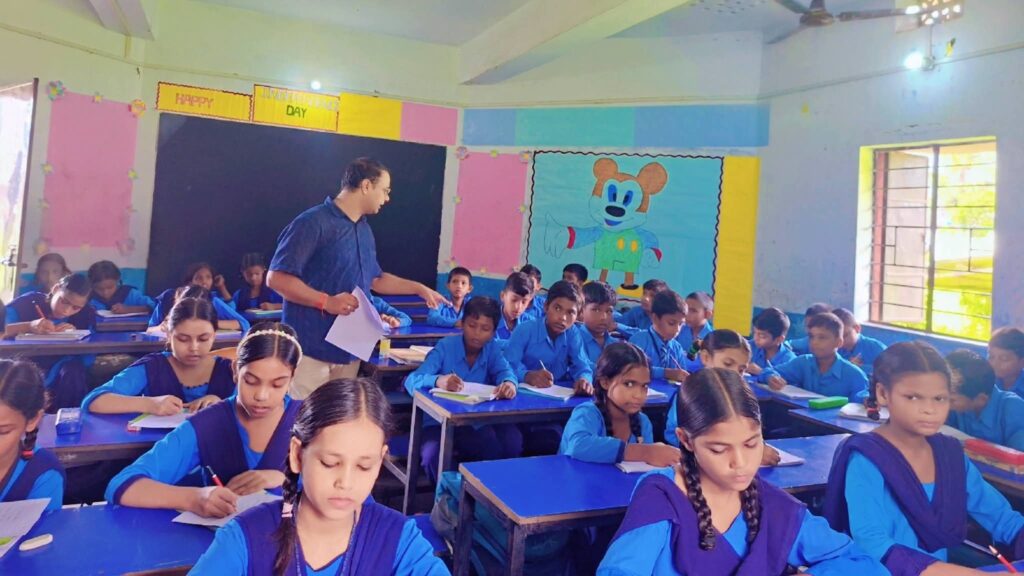
Slowly, the changes showed. Children who came now and then began coming every day. Uniforms, ID cards, ties and belts became a matter of pride: about 95% of the children now come in full uniform, up from about 5%. The headmaster and the other teachers stood behind him, and the people of the village, seeing the school change, began to take part in it too.
The monsoon attendance is where it shows most. A school the children could easily skip, on the days when reaching it is hardest, is the one they keep reaching.
Ritesh does not take the credit alone. He calls the change the work of the children, their parents, the villagers, the headmaster and the whole school family. What he wants next is for every child at Pipra Devas to go as far as their ability takes them, in science, mathematics, art, technology, and wherever else their lives lead.
“When children want to come to school, even the water cannot keep them away,” he says.


 Link copied to clipboard!