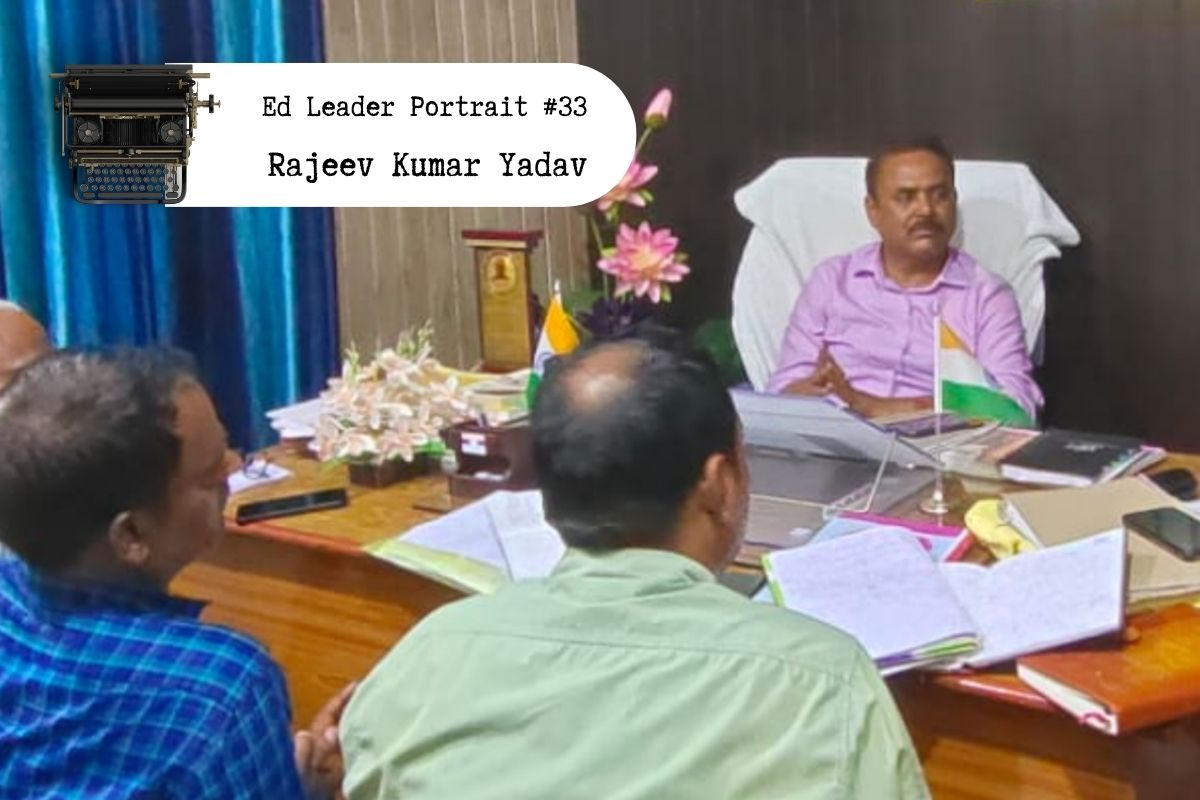
Who He is
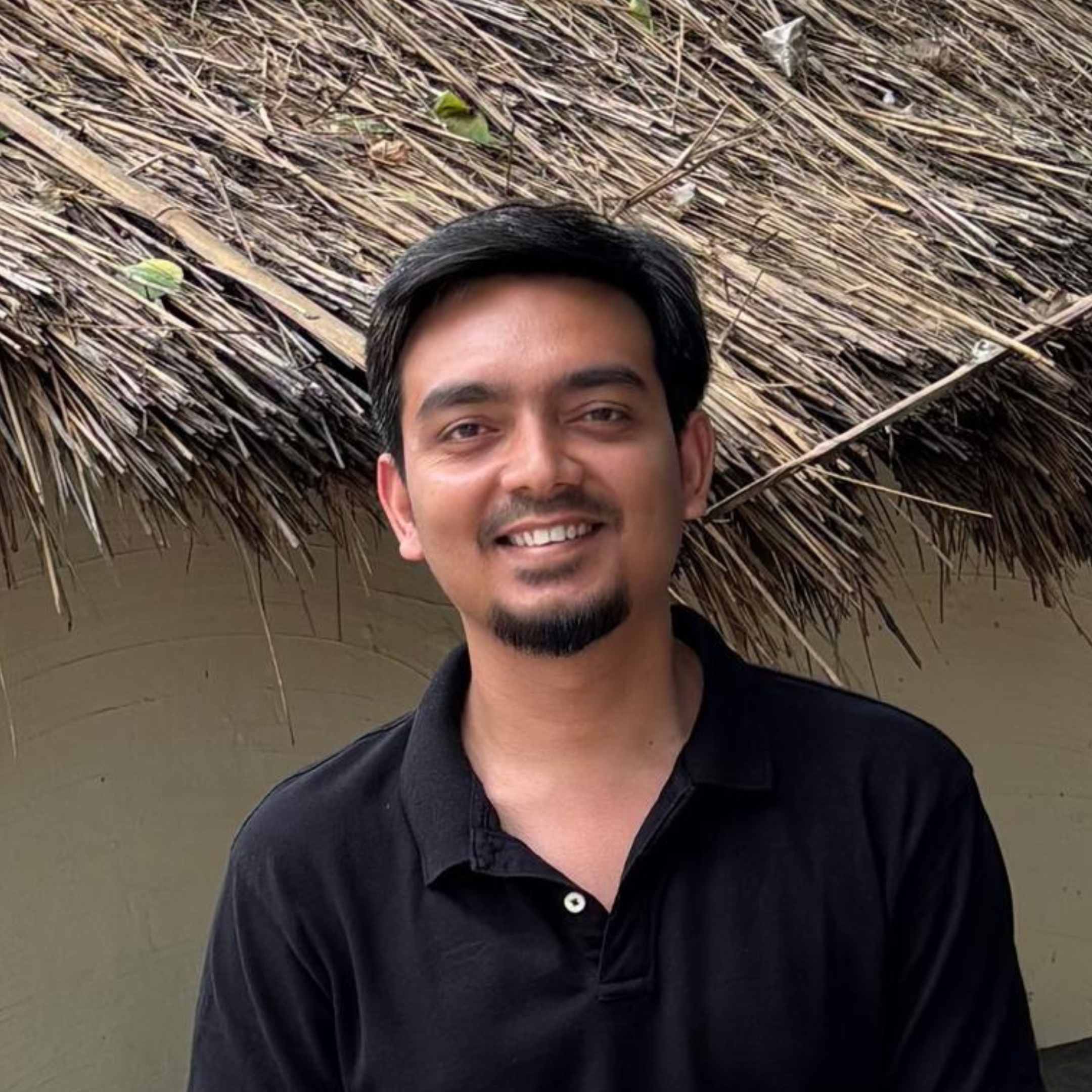
Rajeev Kumar Yadav comes from a humble background in Uttar Pradesh. He grew up in an environment where education was often seen as a luxury rather than a right. He still remembers walking long distances to school, and the pride his parents felt each time he progressed to the next class. Those early experiences taught him two simple truths — that education changes how families dream, and that every child deserves a teacher who believes in them.
His career in education began as a teacher, where he quickly earned a reputation for bringing energy and clarity to his classrooms. Over time, his administrative roles gave him a wider view of how systems work — and how they can fail children. “Rules can help you maintain order,” he often says, “but relationships are what create change.”
Rajeev is currently the Block Education Officer (BEO) of Mardah block in Ghazipur, Uttar Pradesh. He is deeply curious about people, spending time listening to teachers, walking through classrooms, and sitting with students. His approach to leadership is relational — rooted in empathy, data, and dialogue. “When I visit a school,” he says, “I don’t just look at attendance charts. I ask children what they enjoy learning, and teachers what they struggle with. Only then can we build real solutions.” This mix of empathy and precision became the foundation of Mardah’s turnaround.
The Problem He Saw
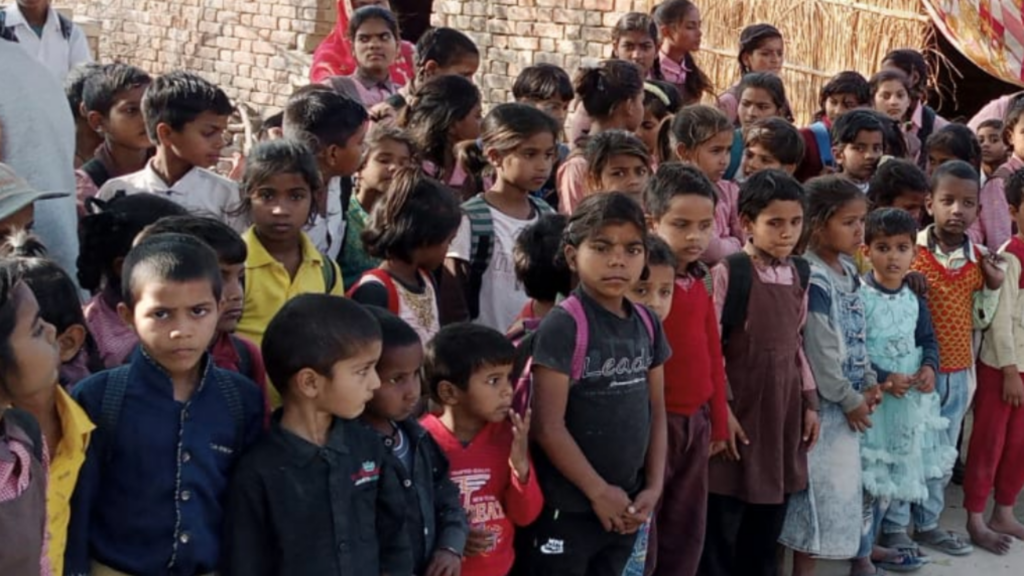
When Rajeev arrived in Mardah in July 2022, the numbers spoke of a crisis. In the block’s 365 schools, attendance hovered around 60–65%, and learning outcomes were discouraging. Although 30–40% of students were recorded as “NIPUN,” classroom observations revealed that many could not apply foundational skills effectively.
Infrastructure was deteriorating — only 68% of schools met all 19 Karyakalp parameters, such as safe drinking water, functional toilets, classroom furniture, etc. Teachers were demotivated; many felt their work went unnoticed. Parents had begun to lose faith in government schools.
A deeper look exposed the layers beneath the data: poverty, migration, children missing school to care for siblings or work in fields, and the lingering effects of the pandemic. Coordination with gram panchayats (village administration) was weak, and schools operated in isolation.
The Micro-Improvement Journey
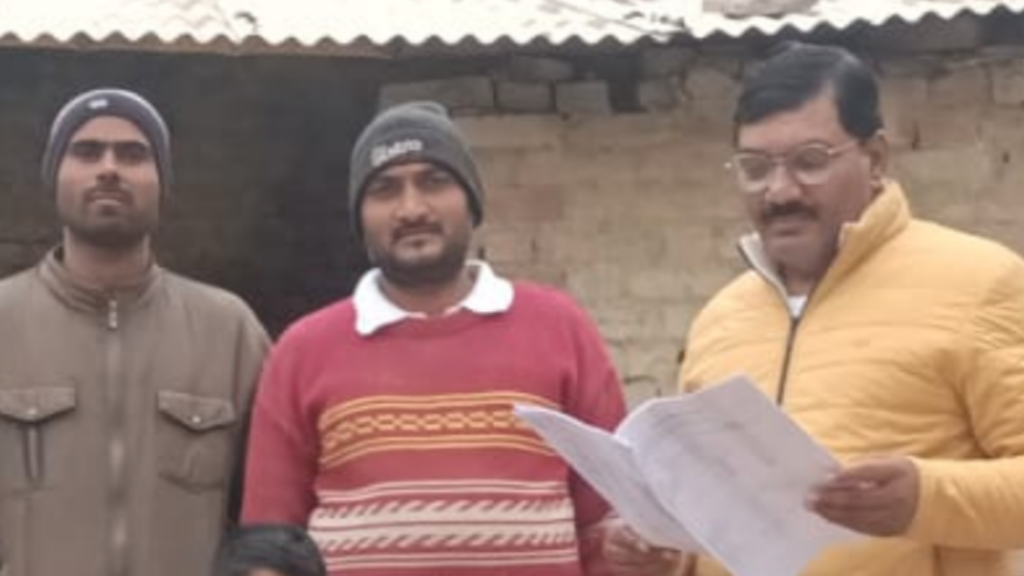
Rajeev knew that top-down directives would not solve this. What Mardah needed was a local, human-centred approach that started with trust and grew through teamwork. He began by rebuilding morale and clarity. Every intervention carried two principles — clarity and collaboration.
- Launching “Hai Master!”: In August 2022, he launched Hai Master! — an orientation for teachers, political representatives, gram pradhans (village administrative heads), and community members. It was not a typical workshop, but a declaration that teachers would once again be community role models. Conversations revolved around classroom conduct, communication, and professional dignity and pride.
- Data to dialogue: He introduced micro-meetings — short, data-driven review sessions where school teams, Academic Resource Persons, and head teachers jointly examined progress. Schools were classified into A, B, and C tiers based on attendance, learning outcomes, and classroom practices and action plans were co-created.
- Ensuring holistic learning – from Khichdi to Kho-Kho: He reimagined schools as spaces for academics, creativity, and self-discovery. Teachers began career-counselling sessions with students and parents, linking learning to aspirations. Sports camps, girls’ hockey, and hobby clubs made schools more lively and more inclusive.
- Creating print-rich learning corners: Using local materials and small donations, classrooms became vibrant spaces filled with charts, Teaching Learning Materials (TLMs), and children’s work. These corners nurtured curiosity and peer learning.
- Peer Learning and NIPUN in Action: Students were grouped into best, average, and weak learners. Stronger students supported peers, while teachers and children co-created TLMs. Songs, rhymes, and storytelling turned rote lessons into joyful learning.
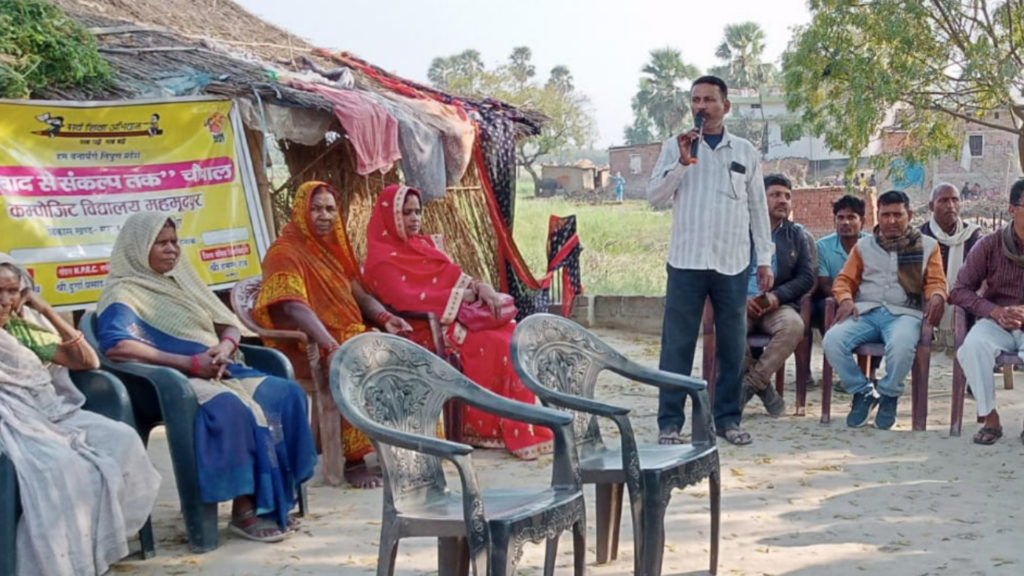
- “Samvaad se Sankalp tak”: Teachers and students took learning to the streets — with plays, rallies, and poster campaigns in local dialects— to rebuild trust in government schools and encourage regular attendance. These efforts transformed villages into learning spaces.
- Guardians of Attendance: Teachers began keeping detailed phone registers and made follow-up calls for absentees. Door-to-door visits and parent WhatsApp groups kept communication active. Mothers became strong advocates for regular attendance.
- Energising annual day and recognition spaces: He revived Annual Day, once neglected, into a celebration of learning and local culture. Recognition programmes like Star of the Week and Star of the Month gave children visible pride.
Role of Civil Society and Support Systems
Mardah’s transformation was built through partnerships. Mantra Social Services supported the block through training and reflection spaces under Mission Mangal. Exposure to peers and leaders helped Rajeev refine his approach.
He also sought advice from Prof. Harikesh Singh, whose guidance shaped the micro-meeting culture. The Department of Basic Education provided crucial backing, from motivational visits by officials to posters, community-outreach materials, and gram panchayats supported infrastructure improvements.
This collaboration ensured that change was collective, not individual — a lesson he often repeats to his team.
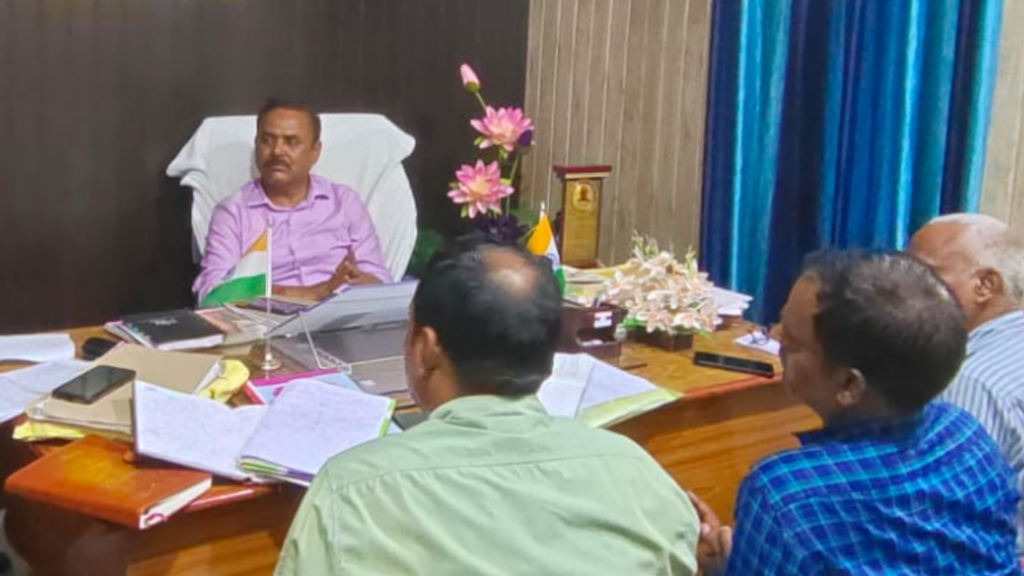
Why He Went Beyond
Rajeev’s motivation is rooted in the belief that education is the only inheritance that grows when shared. Having seen the effects of poverty and neglect, he made it his mission to restore dignity to teaching and joy to learning. “I cannot stand seeing a child silent in class,” he says. “Every silence hides a question — and our job is to bring it out.”
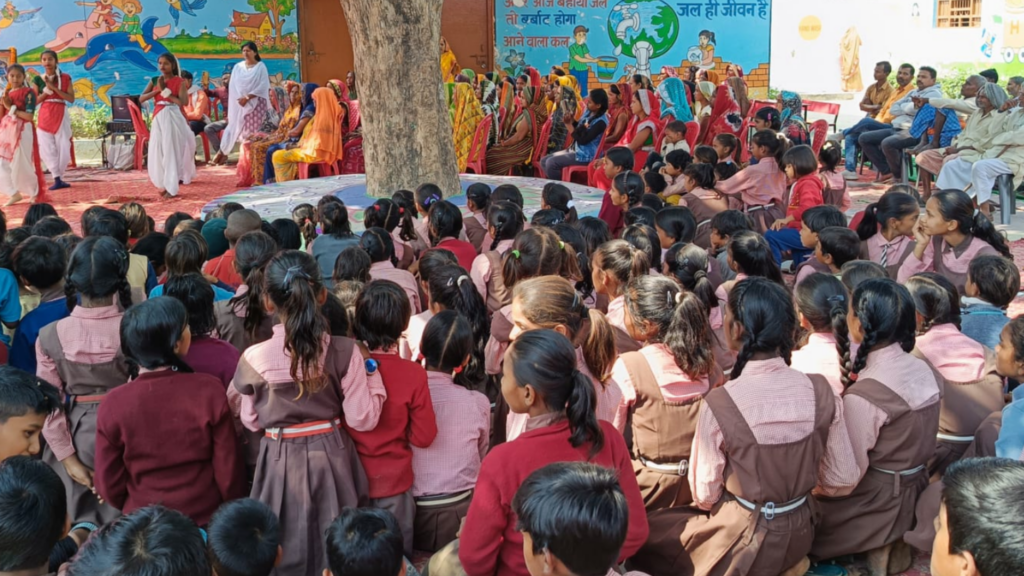
Impact of His Work
The results in Mardah have been striking, within two years (2023-2025):
- Attendance rose from 60–65% to over 80–82%.
- NIPUN proficiency reached 100%, up from 30–40% based on ‘Nipun Bharat Monitoring Center’ (NBMC) data and internal assessments.
- Category C schools reduced to less than 1%.
- Schools fulfilling all 19 Karyakalp parameters increased from 68% to 98%.
These numbers tell a story of renewed faith. Teachers now take ownership of results; parents regularly attend PTMs; and students display curiosity and confidence unseen before.
Infrastructure has improved too — tiled toilets, clean grounds, painted walls, and functional furniture make schools more inviting. Beyond academics, cultural programs and sports have given children new identities as artists, athletes, and leaders.
For two consecutive years, Mardah has been recognised as the “Best Block in NIPUN” in Ghazipur, with the highest student proficiency and attendance in the district.
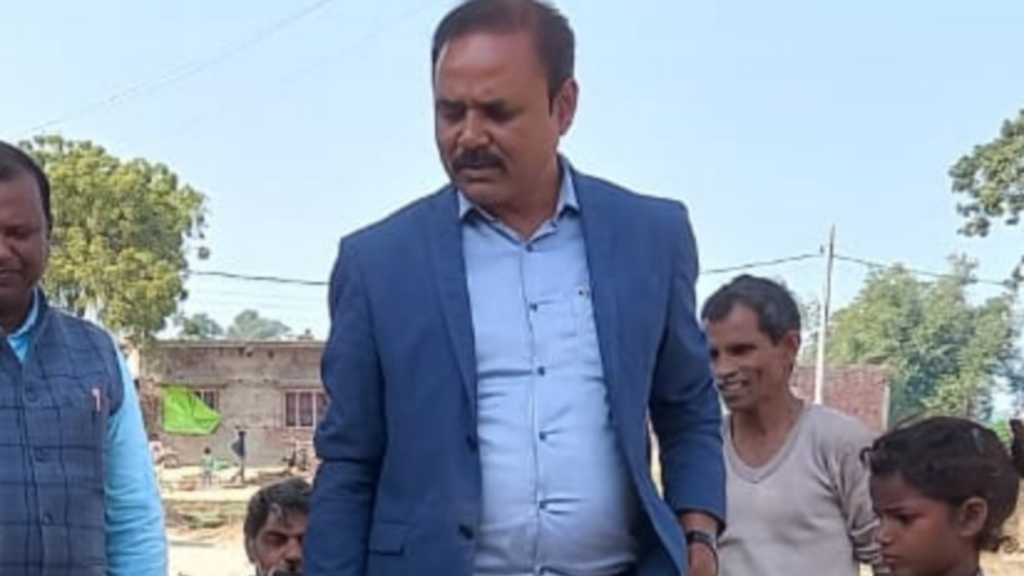
His Words
“When I joined, schools were quiet, teachers were unsure, and parents were distant. Today, you can hear laughter, see activity, and feel belonging. That’s what real transformation is — when education becomes a shared responsibility.”
This story is part of ‘Small Steps to Build Great Schools’ Vol II- a Coffee-table Book celebrating the leaders who go beyond their roles to make education inclusive, joyful, and rooted in belonging, for children in India.
🔗 Read more such stories of transformation here: https://heyzine.com/flip-book/d4afa18256.html.


 Link copied to clipboard!